Contents · 7 min read
01 / 05 · The gap
Why have factory AI returns stayed limited?
In short
Factory AI can cut cost and improve the product. Yet it may leave revenue untouched. That happens when the firm invests in machines but not in how it sells.
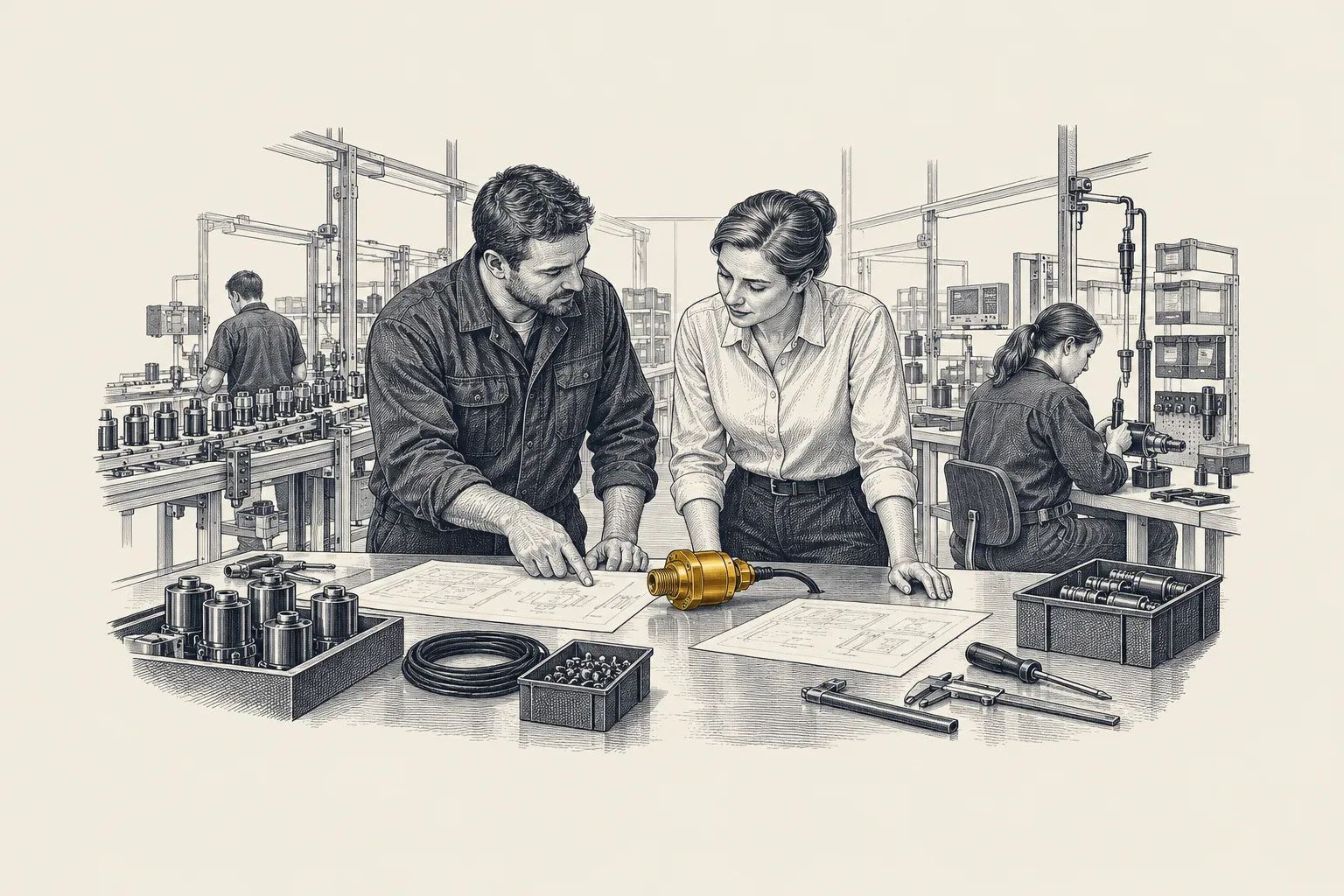
A sensor manufacturer has added AI to its products and factory work. Returns remain limited, while sales still depend on a few skilled people. Their applied product know-how is the growth asset it has not scaled.
Some of that work is useful. Better product data can aid the people who build and run the product. Factory tools may also cut time and waste.
The issue is where the firm has placed most of its bets. A GRAIL industry brief found that only four percent of Nordic B2B manufacturers report strong AI returns. The sales and delivery layer gets far less spend.
For the sensor manufacturer, this creates a clear gap. Its factory holds much of the AI spend. Its sales still depend on a few skilled people.
Those people know which sensor fits each customer use. They know what matters beyond the product sheet. That puts the next question on the source of the firm's growth.
02 / 05 · The asset
What growth asset already sits inside the company?
In short
The growth asset is applied product know-how. It joins what the product can do with what the customer needs. In many firms, that link still lives in individual heads.
For the sensor manufacturer, the product sheet is only a start. A buyer also needs to know whether the sensor fits the job. That call rests on past work and sound judgment.
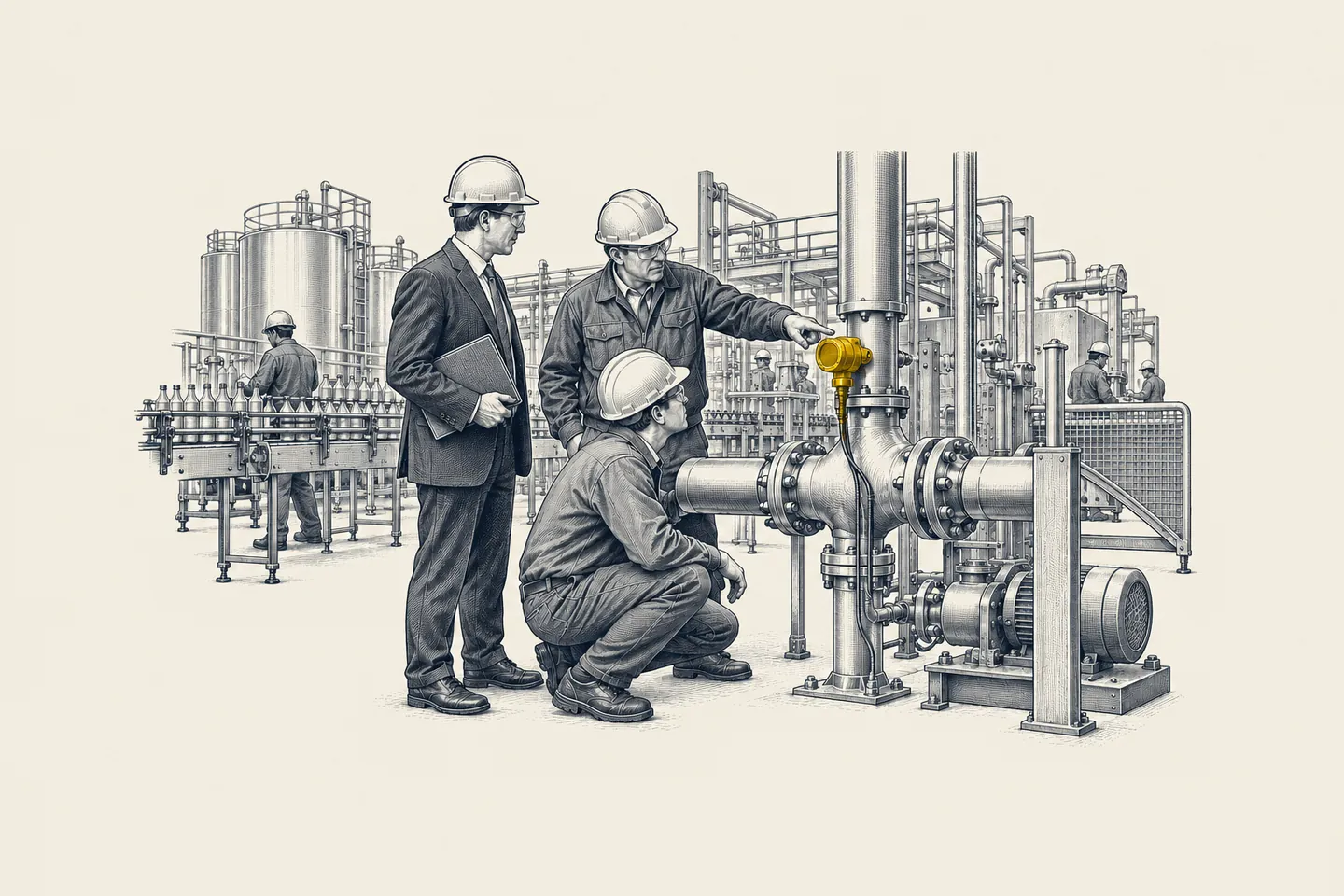
The firm's best sellers and engineers are good at this. Their skill took years to build. Customers have paid for that depth because a catalog could not give the same answer.
That strength is real. It also makes the firm weak when the know-how stays personal. A seller leaves, and the next person cannot draw on the same record. An engineer retires, and years of judgment leave too.
AI changes who can reach that knowledge. AI for industrial companies can extract it from work the experts already produce. It can then serve it to another seller at the right time.
For the sensor manufacturer, the product is still vital. Yet the growth asset is the skill used around it. The next move is to turn that skill into company memory.
03 / 05 · The memory
How can the company build a shared commercial memory?
In short
Start with work that already exists. Pull out the choices experts made and the facts behind them. Then join that know-how with data from products already in use.
For the sensor manufacturer, the raw material is close at hand. Start with call transcripts and meeting notes. Add project reports and application records.
These records show how experts read a customer need. They also show why one product fit and another did not. Data from the installed base adds what happened after the sale.

The records already have value. But they sit in files, inboxes and local systems. A new seller cannot use them as one memory during a live deal.
Build that memory in four moves:
The sales head picks one type of deal
Use a case that needs expert input and appears often.
The top engineers identify the key calls
They mark what made the product fit the customer's use.
The data team joins the records
It links past advice with approved product data and installed-base facts.
The sales team tests the answers
It uses them in live work and flags weak advice.
The sensor maker does not need its experts to write a new manual. It starts with the work they already leave behind. The value appears only when that memory reaches the customer at the right point.
04 / 05 · The journey
Where should that memory meet the customer?
In short
Use the memory from the first product choice through the sale and into service. Each use should improve a customer answer. Each use should also move a sales measure the board can track.
For the sensor manufacturer, the first use may sit in spec work. A seller can draw on past cases before calling the application engineer. The expert then checks the hard part instead of starting from zero.
The same memory can aid sales. An AI-augmented sales team can prepare for each meeting from the account record. It can also bring the right past work into the follow-up.
After the sale, an AI-augmented service team can use the same approved knowledge. The team can give a faster answer while keeping hard calls with an engineer.
| Bet | Knowledge used | Customer gets | Measure |
|---|---|---|---|
| Factory work | Machine and product data | A product made at lower cost | Factory cost |
| Specification | Product data and expert judgment | A better fit for the job | Win rate |
| Sales | Call notes and project records | Advice tied to the account | Revenue per seller |
| Aftermarket | Installed-base data and case history | Faster support for the product in use | Repeat revenue |
A factory-first company can still improve product upkeep. That is useful work. But it leaves its application know-how in a few heads.
For the sensor manufacturer, shared memory links the full customer path. The board now needs a test before it moves more capital.
05 / 05 · The bet
Which growth bet should come before more factory automation?
In short
Fund one commercial use before the next broad factory program. Judge it by revenue per seller. If the number moves for sound reasons, extend the memory to the next part of the customer path.
For the sensor manufacturer, the first bet should be a common sales case. It should have enough past records to build from. It should also need the judgment of a skilled seller or engineer.
Factory automation may still earn more spend later. The firm first needs to compare that spend with a live revenue bet. That is a board choice, not a tool choice.
Use three tests:
Revenue per seller rises
The same team wins more work without adding sellers.
Win rate improves
More sound offers become orders because the advice fits the customer's use.
Deal size holds or grows
Better advice protects the value around the product when buyers compare offers.
Then make the funding call in four steps:
The CEO names the growth aim
Set revenue per seller as the main test for the first use.
The sales head picks the point of need
Choose spec work, meeting prep or service. Start with one.
Engineering and sales build the memory together
Use approved product facts and real work records.
Finance checks the result before the next budget round
Compare the sales gain with the case for more factory AI.
The sensor manufacturer can then take a clear case to the board. AI strategy at board level should compare where capital goes with where growth comes from. That proof gives the board a sound basis for its next capital call.
Choose the first growth bet
The CEO’s next task is to choose one live commercial use of shared product knowledge, then compare its effect on revenue per seller with the case for more factory AI. The industry briefing sets that choice in the wider industrial B2B context, showing what AI changes for the CEO and why expertise around the product belongs in the capital discussion. Use it to frame the management team’s first commercial bet before the next budget round.
What AI changes in B2B industrial companies, written for the CEO. Free to read, no form.
Questions CEOs ask about this
How can an industrial B2B company use AI to grow revenue instead of only improving factory efficiency?
Grow with AI by turning product know-how into shared commercial memory. The CEO must choose one live sales use before more factory AI, or leave revenue tied to a few experts. Join seller and engineer judgment with installed-base data. Expand only if revenue per seller rises.
Where does AI create value across specification, sales and aftermarket?
In spec work, it brings past cases and product facts into the first answer. During the sale, it prepares the seller with account context. After the sale, it helps service teams use the same approved knowledge.
Which commercial data should be treated as strategic?
Start with call transcripts and meeting notes. Add project reports and application records. Join them with installed-base data so the company can learn what happened after each sale.
Can AI turn product expertise into a scalable customer service?
Yes, if it serves approved know-how to sellers and engineers at the point of need. People should still own hard calls and customer judgment.
How should sales coverage and account planning change?
Improve the current sales force before adding more sellers. Use shared memory to prepare each account and bring the right expert knowledge into each meeting.
Which growth bet should come before factory automation?
Choose one common sales case where expert judgment shapes the result. Fund it first and test revenue per seller. Expand only after the gain appears in live work.

Founder, GRAIL
Johan has spent fifteen years in management consulting and executive leadership, including as Chief Product Officer of a SaaS company. He founded GRAIL to help European leadership teams work out what AI changes at the core of their business. He is the author of The Execution Revolution and the host of the ThinkRoom podcast.
Related reading
Sources
- The Expertise Walks Out: the low returns from factory-led AI spend and the gap around sales and delivery. (accessed October 8, 2026)
- AI for industrial companies: why applied product know-how can become shared company memory. (accessed October 8, 2026)
- What does an AI-augmented sales department look like?: how shared knowledge can support sellers during live work. (accessed October 8, 2026)
- What does an AI-augmented customer service and success team look like?: how support can use company knowledge while people keep the hard calls. (accessed October 8, 2026)
- AI strategy for boards: why the board should govern the choice between AI bets. (accessed October 8, 2026)
Next scheduled review: February 10, 2027