Contents · 7 min read
01 / 05 · Today’s model
What still supports your audit fees?
In short
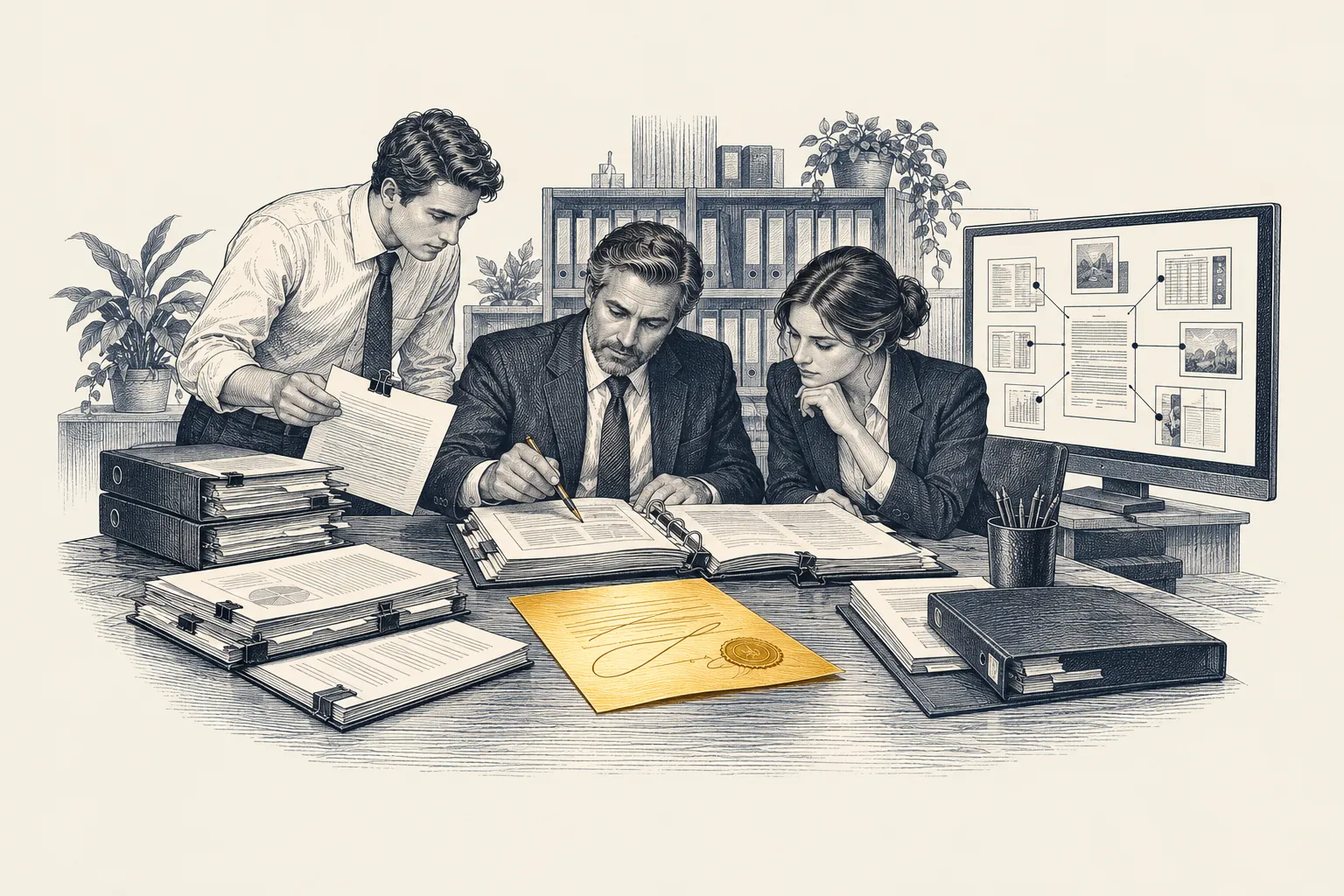
Your firm still earns much of each fee from junior hours spent finding evidence and doing routine tests. That work also helps juniors learn how an audit comes together.
You see the model in every file review: junior teams gather the evidence and run routine tests, while senior staff check the work and sign the result. That division supports the fee and trains new auditors, but routine testing and documentation time can fall by 30 to 40 percent once your firm uses a new platform.
The work also puts new auditors close to records and review notes. They learn where doubt is needed and when a point must move up.
But the hours beneath that learning path are starting to shrink. Audit and assurance for commercial directors says routine testing and documentation time can fall by 30 to 40 percent once a firm uses a new platform.
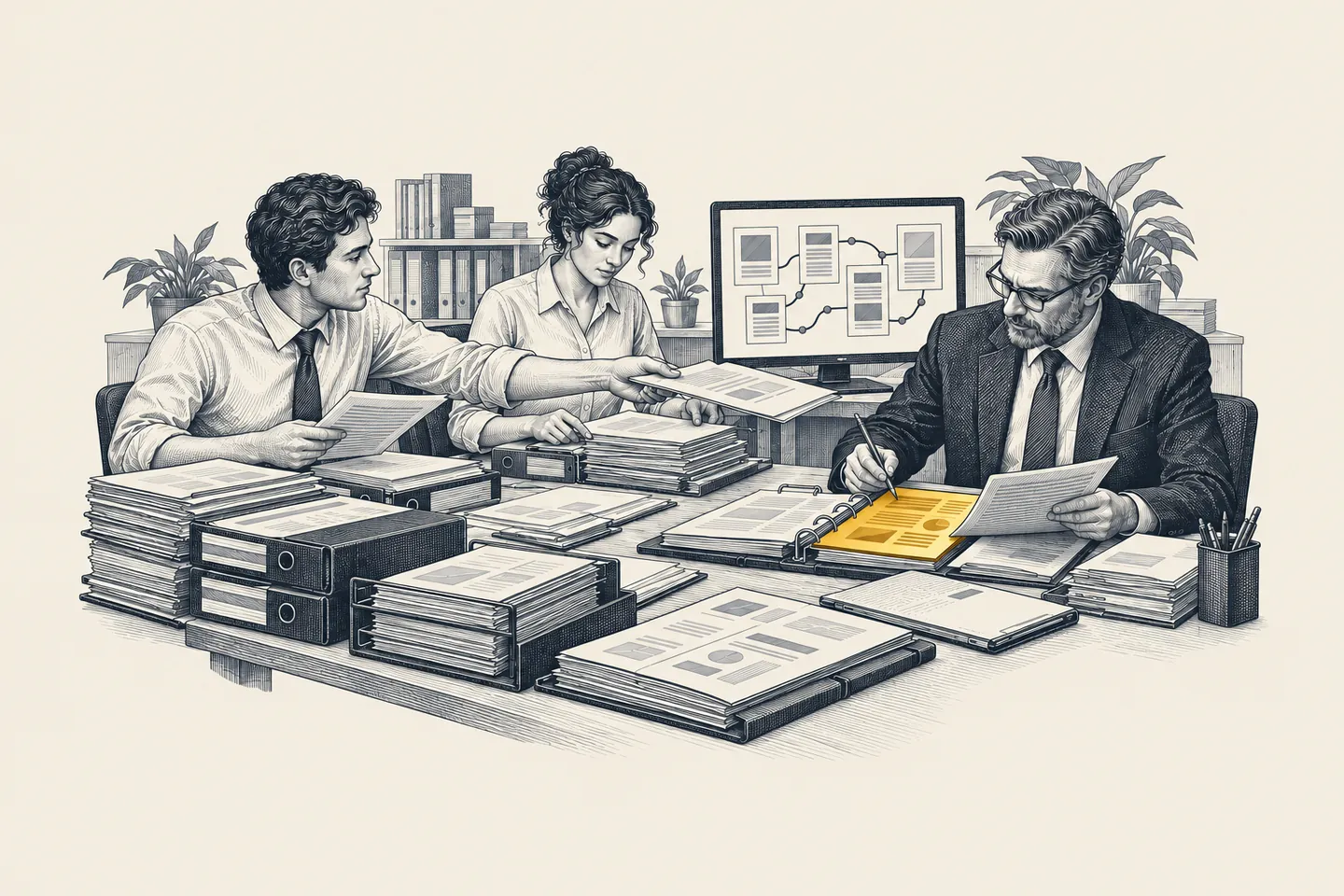
The audit still matters, but the file now needs less paid production work. The next question is what happens to your model when those hours shrink.
02 / 05 · Fee pressure
What happens when production hours fall?
In short
Each job needs fewer hours beneath the senior review, so selling the same work weakens your model. Faster work may help margin at first, but it also cuts the hours your old fee was built to sell.
The first gain is real. Your teams can finish routine work sooner, so each job may cost less to deliver.
But a fee tied to time has less work to bill when those hours fall. Your firm may do the audit well and still find that its old fee base has grown weaker.
A global network can absorb cheaper work through its platform spend. Your mid-market firm is unlikely to match that scale, so a price fight gives it little room to win.
The issue reaches beyond one audit. AI for professional services explains why AI reaches junior production before it reaches senior judgment.
Your leadership team must now review what supports the fee. If junior hours carry less weight, the client must see more value in the work above them.
That leaves your firm with one task: decide what the client should pay for instead.
03 / 05 · Client value
What should the client pay for instead?
In short
Your client should pay more clearly for challenge and an accountable final view. Evidence can be found faster, but a system cannot own what the evidence means. An accountable professional must still make the call.
| Work in the audit | What changes | What the client pays for |
|---|---|---|
| Evidence retrieval and routine tests | The time needed falls. | Less junior production time. |
| Exception review and challenge | Professional attention moves here. | A sound review of what needs doubt or action. |
| The final conclusion | It stays with an accountable professional. | Clear ownership of the judgment. |
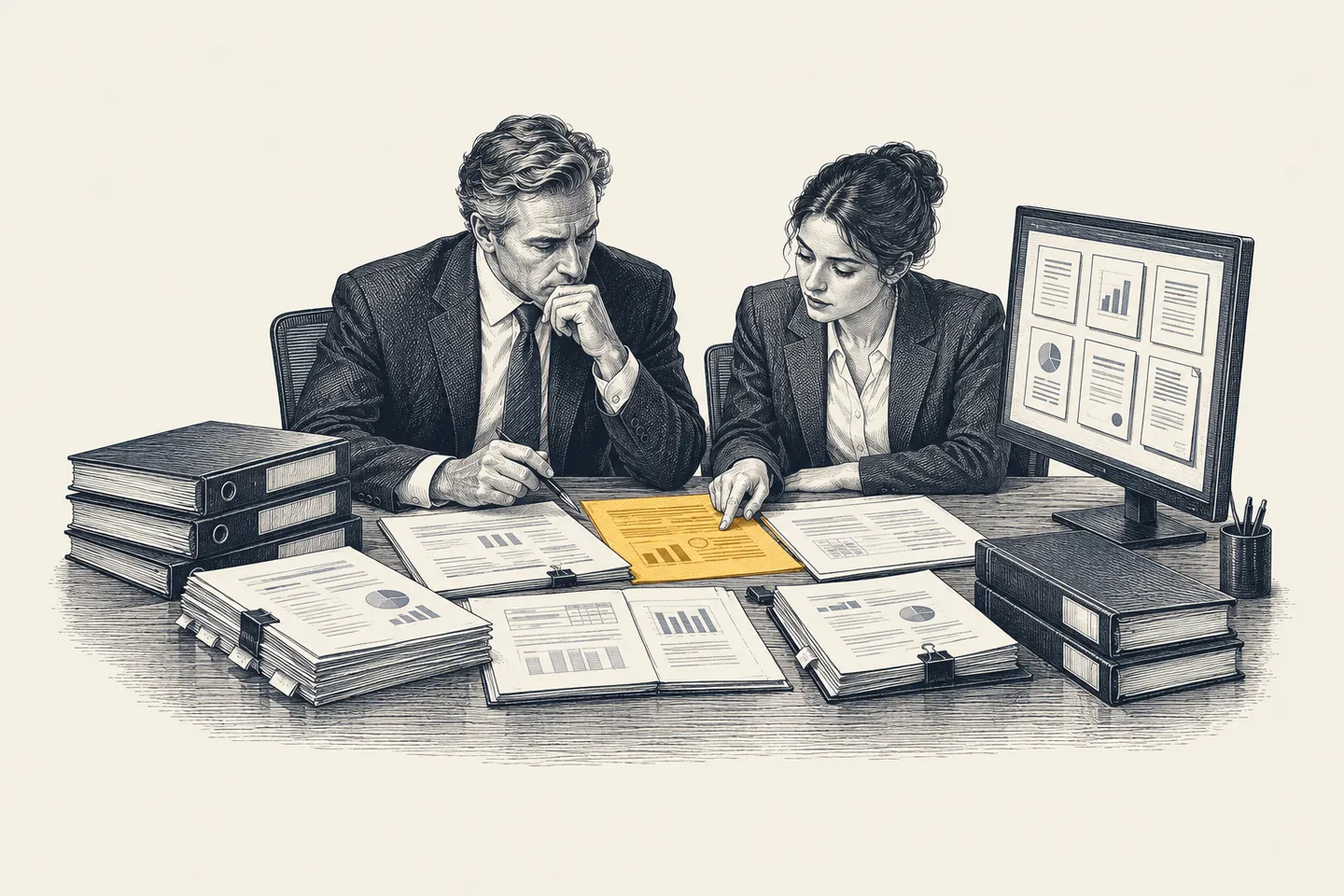
Fast evidence work helps because it gives your team more time to think. Yet speed alone does not show why your firm deserves the fee.
The offer must show who tests the evidence and who owns the final view. AI-augmented quality and sustainability makes the same split clear. A system can find and compare, but a person makes the final call.
Trust also rests on the path to that call. Evidence should be controlled and carry links to its source, so the reviewer can check each point.
The accountable professional must then decide if a proposed point is a finding. The system may prepare the work, but the signed view stays with a person.
To make that judgment strong on every job, your firm must stop starting each job from memory.
04 / 05 · Firm knowledge
How does each engagement improve the next one?
In short
Keep client context and expert knowledge so each team starts with what past work taught your firm. That makes judgment stronger without giving the final call to a system.
Your audit method may be set by rules, which is a sound limit. But those rules do not decide how your firm keeps client context or shares what its experts know.
Audit After the Platform Gap draws that line. Your method can stay in place while your people gain better access to past evidence and lessons.
Each job should begin with approved methods and the client facts that matter. It should also bring in the review habits built through past work, as the paper on an AI-augmented professional-services firm sets out.
Use three steps to make that happen:
Have the engagement partner own the client context
Keep the facts and past review points that the next team will need.
Have practice heads maintain expert knowledge
Record the approved source and what past work taught the firm.
Have the talent lead replace the old learning path
Give junior staff planned work on exceptions and challenge.
The third step matters because workpapers have long helped train future partners. The audit and assurance briefing for CHROs asks what will replace that path as agents take on more prep work.
Once that base exists, you can rebuild the offer and test a new service.
05 / 05 · New offer
How should you rebuild the offer?
In short
Build your offer around the accountable professional’s challenge and ownership of the final view. Then test continuous assurance as a service where controlled evidence is checked as work takes place.
Start with the offer you can defend now. State which calls stay human and what the reviewer will test. Then name the person who owns the signed view.
The fee should pay for that work, not just the hours used to build the file. This makes the value clear even as the time spent on routine tests falls. Our white paper Who Keeps the Hours AI Saves? sets out five ways a firm that sells its time can keep a share of the gain.
Then test whether a new pace adds more value. Continuous assurance moves the work from set review dates toward controls checked as work takes place.
Auditors can then start with exceptions and weak signs. They spend less time rebuilding the record, so they have more time to test what may be wrong.
This may give your client a stronger service. Your firm could show where control is weak sooner, while an accountable professional still owns each key call.
Run a narrow test before you change the whole offer:
Have one practice head choose a suitable workflow
Pick work where the evidence can stay in a controlled space.
Have the audit team require source links
Each key point should lead the reviewer back to its source.
Have IT keep read and write rights apart
Start with read access, then add approved writes once the work earns trust.
Have an accountable professional own every conclusion
Treat a proposed cause as a point to review, not as a finding.
Have the client lead test the service promise
Learn if earlier review changes what the client values before you scale it.
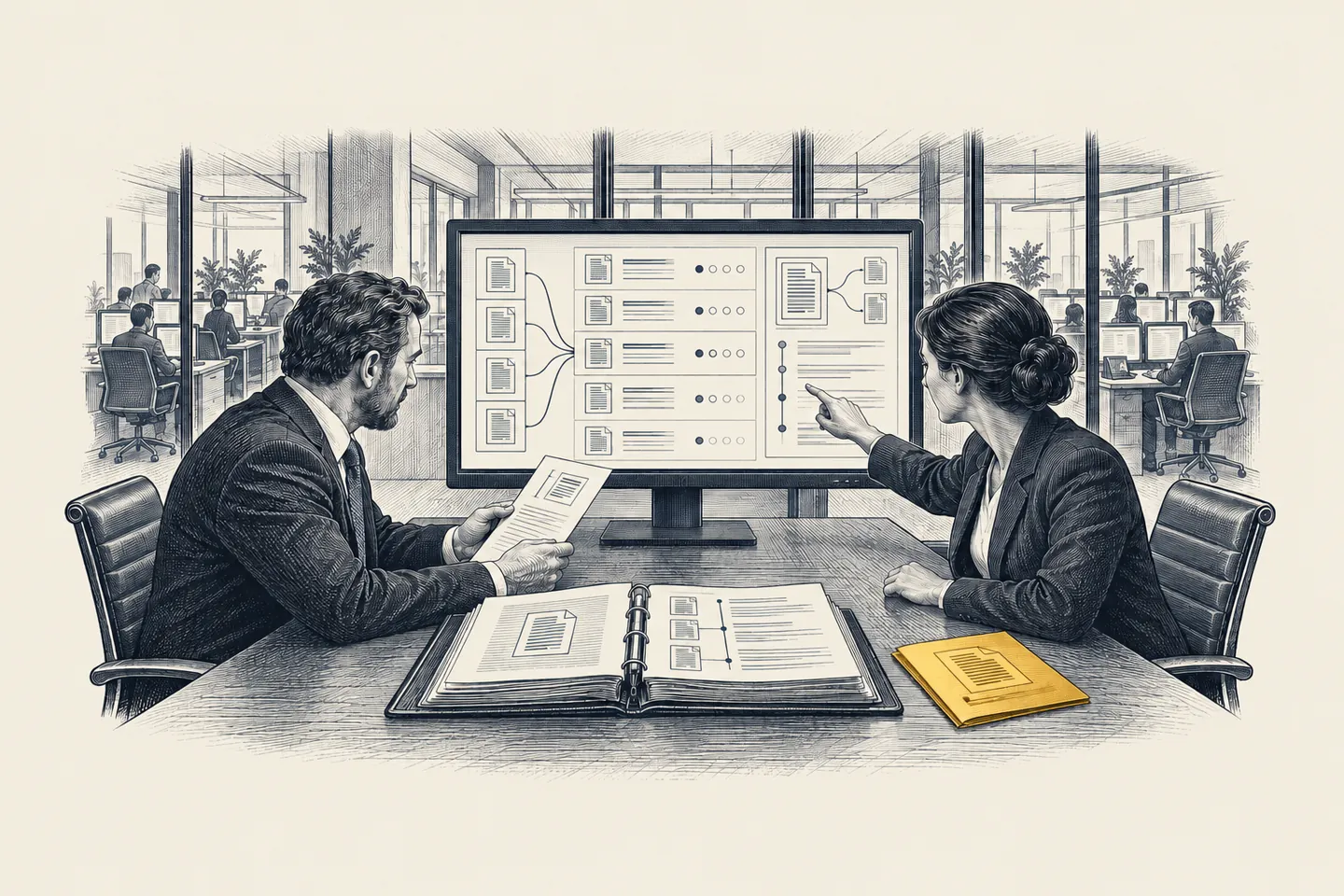
The test tells your leadership team if the new offer is ready to take to clients.
The next firm decision
Your next task is to decide what clients should pay for when routine evidence work carries less of the fee, then test whether accountable judgment and continuous assurance can support the new offer. Audit After the Platform Gap sets that decision in the wider economics of audit and assurance, showing what AI changes in the production model and where firm strategy remains open. Use it to brief your leadership team before you redesign fees or services.
What AI changes in audit and assurance, written for the CEO. Free to read, no form.
Questions CEOs ask about this
How should an audit firm change its business model when AI automates much of the evidence collection and testing?
When AI handles audit evidence, your firm must make accountable professional judgment carry more of each fee. That holds only if clients will pay for your challenge and signed final view as routine testing and documentation time falls by 30 to 40 percent; otherwise, faster work weakens the hours your old fee was built on. You must decide what clients should pay for as those hours shrink.
Which audit activities become cheaper or continuous?
Evidence collection and routine testing can take less time, as can documentation. Controls can also be checked as work takes place, so auditors start with exceptions instead of rebuilding the record.
Where does human judgment remain indispensable?
An accountable professional must test what the evidence means and decide if a proposed point is a finding. The final view must stay with that person.
Can continuous assurance become a new service?
It can become a service if clients value earlier review and your firm can run it on controlled evidence. Test it in one workflow before you treat demand as proven.
How does the talent pyramid change?
Junior staff will spend less time on workpapers, so the old route to senior judgment gets weaker. Your firm must give them planned work on exceptions and client review if it still expects them to become future partners.
How should the firm protect independence and trust?
This guide does not set out safeguards for auditor independence, so take those from your own independence rules. For trust, use controlled evidence with source links and keep read rights apart from approved writes. Leave each key conclusion with an accountable professional.

Founder, GRAIL
Johan has spent fifteen years in management consulting and executive leadership, including as Chief Product Officer of a SaaS company. He founded GRAIL to help European leadership teams work out what AI changes at the core of their business. He is the author of The Execution Revolution and the host of the ThinkRoom podcast.
Related reading
Sources
- Audit and assurance for commercial directors: how routine testing and documentation time can fall. (accessed October 29, 2026)
- AI for professional services: why AI reaches junior production work first. (accessed October 29, 2026)
- AI-augmented quality and sustainability: how continuous evidence changes audit work while people keep the final call. (accessed October 29, 2026)
- Audit After the Platform Gap: what prescribed methods leave open for firm strategy. (accessed October 29, 2026)
- AI-augmented professional-services firm: how past methods and review habits can enter each new job. (accessed October 29, 2026)
- Audit and assurance for CHROs: why the old route from workpapers to senior judgment must be replaced. (accessed October 29, 2026)
Next scheduled review: February 18, 2027